What to see at Piazza del Campo
Six stops that tell the story of Italy's most scenic medieval square, from its shell shape to the Palio.
The Shell Shape
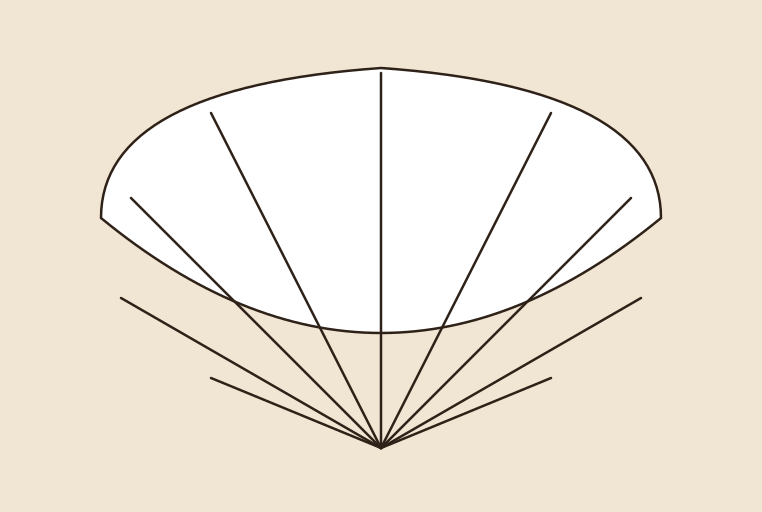
The square follows the natural slope of the land where the medieval contrade's streets converged. Nine radial brick sectors honour the Government of the Nine, which ruled Siena between 1287 and 1355, bringing the city to its golden age.
Palazzo Pubblico
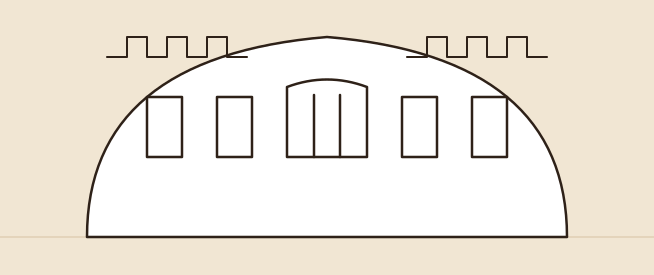
A masterpiece of Gothic civic architecture, with a concave façade that follows the curve of the square. It's still Siena's city hall today, alongside housing the Museo Civico.
Torre del Mangia
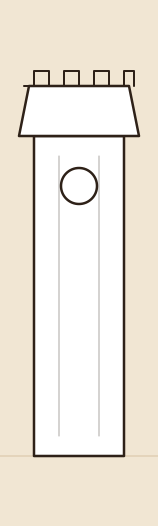
88 metres tall, the second-highest medieval tower in Italy after Bologna's Torre degli Asinelli. Its name comes from the nickname of its first bell-ringer, Giovanni di Balduccio, called "Mangiaguadagni" (spendthrift).
Fonte Gaia
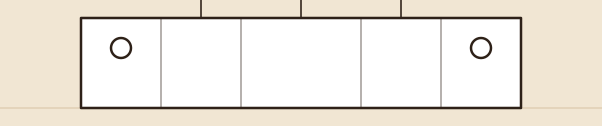
A monumental fountain by Jacopo della Quercia (1419), decorated with allegorical reliefs of the Virtues. The version seen today is a 19th-century copy; the badly weathered original is kept in the Museo di Santa Maria della Scala.
The Palio
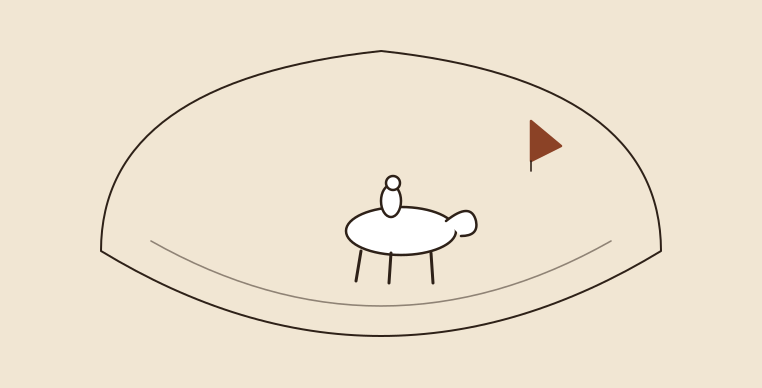
Twice a year, on July 2nd and August 16th, the square becomes a racetrack covered in packed earth. Ten horses represent as many contrade in a three-lap race, often decided in under 90 seconds.
Museo Civico
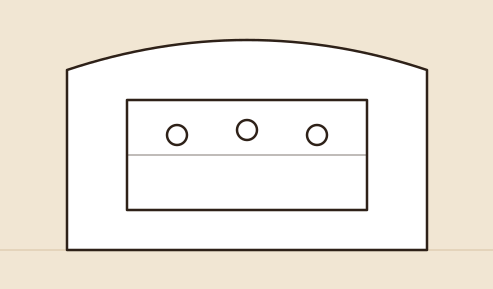
Inside the Palazzo Pubblico, it houses the celebrated fresco cycle "Allegory and Effects of Good and Bad Government" by Ambrogio Lorenzetti (1338), among the most important works of medieval secular painting.
Want to skip the queues at the Tower?
Entry to the Torre del Mangia is capped for safety reasons — booking ahead is worthwhile, especially in high season.
See tickets and experiences
Space reserved for local operators.